Holiday Travel With Your Dog: What to Pack
Nov 5th 2026
Holiday travel brings plenty of changes: longer drives, unfamiliar houses, busy doorways, and a different place to sleep. Packing thoughtfully helps keep your dog’s everyday needs covered, even when the schedule looks nothing like a normal day at home.
At J&J Dog Supplies, we believe a useful travel setup starts with the basics: secure transportation, regular meals, a familiar place to rest, and dependable walking gear. You do not need to bring everything you own. Focus on the items that help your dog stay comfortable and make the trip easier to manage.
Before You Pack, Confirm the Plan
Start by checking that your destination is ready for your dog. Hotels and rentals may have size restrictions, paperwork requirements, or rules about leaving dogs unattended. When staying with family, ask about resident pets, children, sleeping arrangements, and a quiet place your dog can take a break.
If your dog experiences motion sickness or travel anxiety, talk with your veterinarian before departure. Check any destination-specific health-document requirements, too, especially when crossing state lines.
Not every dog enjoys holiday gatherings. If travel or a busy household would be overwhelming, a trusted sitter or boarding arrangement may be the better choice.
Start With a Secure Travel Setup
A dog should not ride loose in your vehicle. Choose an appropriate travel crate or vehicle restraint, and follow the manufacturer’s installation instructions.
When comparing travel crates, consider:
- Your dog’s measurements and ability to stand, turn around, and lie down comfortably
- Available vehicle space and access to doors
- Ventilation
- Installation and securement requirements
- Whether the product is intended for vehicle travel, resting at the destination, or both
The MIM Safe Variocage Compact, MIM Safe Variocage Double, and Vari-Kennel offer different options to compare. Check each model’s dimensions, intended use, and installation requirements before choosing.
A crate’s portability does not automatically mean it offers crash protection. Look for specific testing information rather than assuming all kennels provide the same protection.
Give your dog time to get comfortable with the setup before a long drive. Short practice trips are more useful than introducing unfamiliar equipment on departure morning.
Pack Regular Food and Fresh Water
Bring your dog’s usual food, measured portions, and a little extra in case the trip runs long. Holiday travel is not the ideal time to experiment with an entirely new menu.
Dedicated dog food storage can make meals easier to organize and keep kibble contained. Pack a scoop or measuring cup, and write down feeding instructions if someone else may be helping.
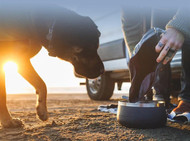
Keep fresh water and a bowl accessible during the drive. They should not require unpacking the entire vehicle at every stop.
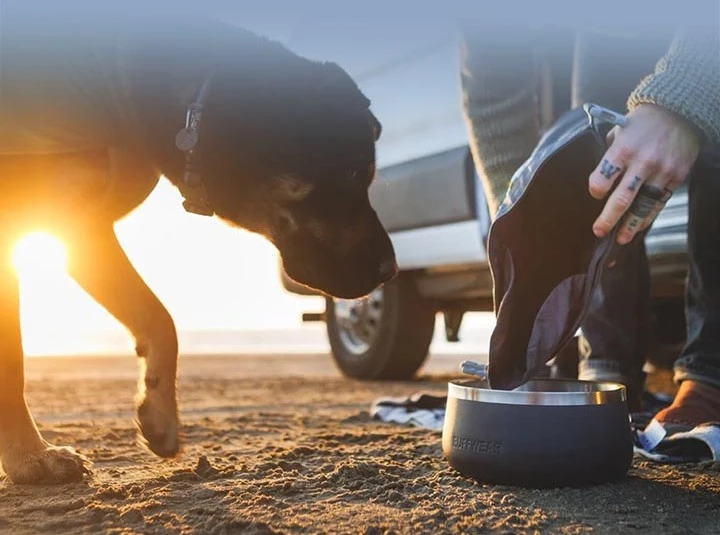
Our dog bowls collection includes options for different parts of the trip:
- A Collapsible Travel Cup for a compact roadside option
- A Buddy Bowl to consider for your travel setup
- Heavy Duty Stainless Steel Bowls for regular meals at the destination
Choose what fits your routine, and check water availability regularly regardless of bowl design.
Bring a Familiar Place to Rest
A familiar bed gives your dog something recognizable in an unfamiliar room. Set it up soon after arriving so your dog has a clear place to settle while everyone unloads, cooks, and catches up.
Browse our beds and cots for options that suit your packing space and your dog’s resting preferences. The Chuckit! Travel Dog Bed is worth considering for a travel-focused setup, while the K&H Dog Cot offers an elevated resting option.
You may not need something new. Bringing the bed your dog already uses can be the most practical choice.
Choose a resting area away from the front door and the busiest part of the gathering. If your dog is already comfortable in a crate, it can provide another familiar retreat. Avoid introducing confinement for the first time during a stressful visit.
Keep Leashes, Collars, and ID Ready
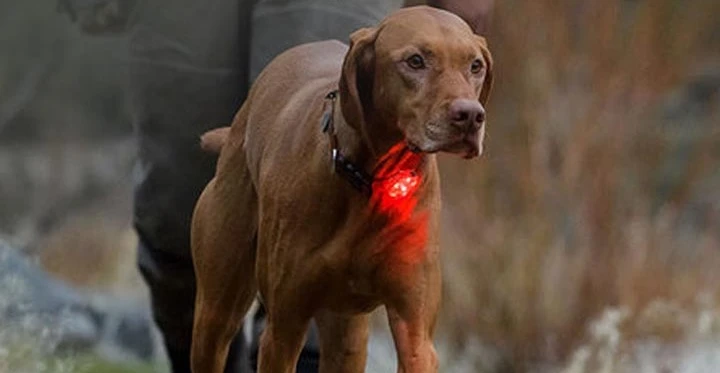
Unfamiliar locations and frequently opening doors call for extra attention. Pack an everyday leash, a spare leash, and a properly fitted backup collar.
Before leaving:
- Check that ID tags show current contact information.
- Confirm that microchip registration details are up to date.
- Inspect clips, buckles, stitching, and attachment points.
- Save a recent photo of your dog on your phone.
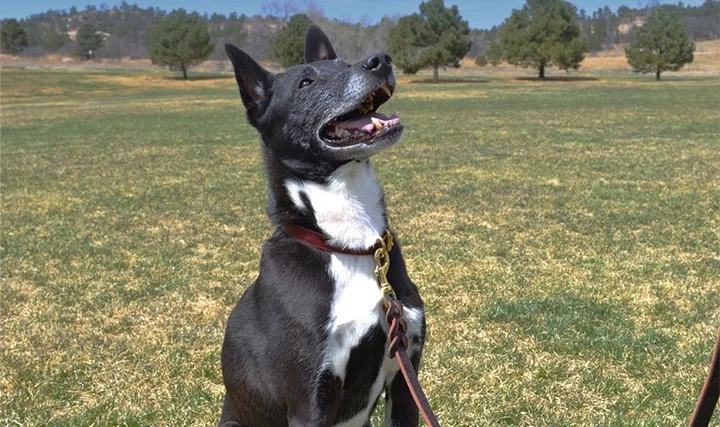
Our collars and leashes categories include options for building a dependable backup setup.
Keep walking gear within reach during the drive. Establish a secure leash connection before letting your dog out at a roadside stop, and do not assume an unfamiliar yard is escape-proof.
Pack Rewards and Something Familiar to Do
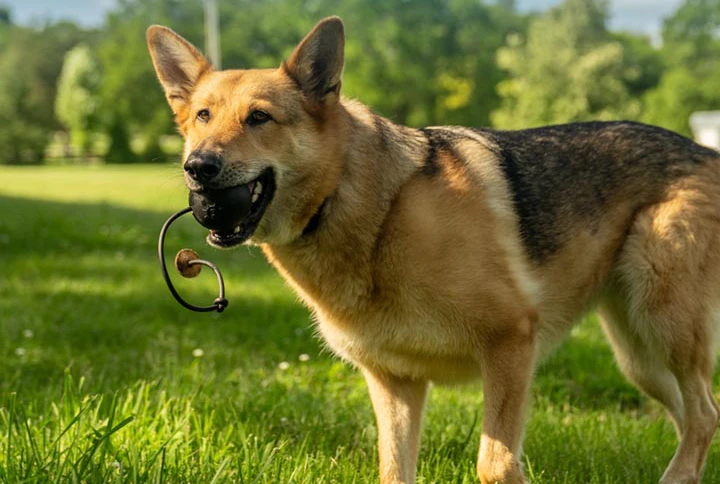
Bring familiar training treats for rewarding check-ins, settling, and calm behavior in new surroundings. A favorite toy or appropriate food-filled enrichment toy can also give your dog a familiar activity during supervised downtime.
The goal is not to turn the visit into a training intensive. It is to make the routine clear and worthwhile.
Treats should not be used to lure a worried dog into unwanted greetings. If your dog needs space, provide it. Rest and distance may be more helpful than another interaction.
Make Cleanup Easy
Packing cleanup supplies is a simple courtesy when sharing someone else’s home. It also makes roadside stops and overnight stays less stressful.
Bring:
- Waste bags and cleanup supplies
- A towel for wet coats and dirty paws
- Natural Dog Company Grooming Wipes for light cleanup between baths
- A suitable cleaner for accidents
- A separate bag for damp towels and dirty gear
Plan bathroom breaks during the drive. After arriving, show your dog the designated relief area before heading inside, and continue offering regular breaks rather than waiting for an accident.
Do Not Forget Medications and Emergency Information
Pack prescribed medications in labeled containers, along with enough supply for the trip and possible delays. Keep dosing instructions accessible, particularly if another person may be helping with care.
Your travel folder or phone should also include:
- Relevant vaccination and health records
- Your regular veterinarian’s contact information
- Details for an emergency veterinary clinic near your destination
- Any required travel documents
- Important medical or dietary instructions
A dog first aid kit is another useful addition. Choose supplies you know how to use, check expiration dates, and remember that first aid supports an initial response—it does not replace veterinary care.
Keep medications and records accessible rather than packed beneath heavy luggage.
Set Expectations With Family Before Arrival
The best packing list cannot replace a few clear conversations.
Ask hosts and guests to:
- Check with you before feeding treats or table food.
- Keep medications, gifts, decorations, and accessible trash out of reach.
- Avoid crowding your dog during greetings.
- Supervise interactions with children and resident pets.
- Watch doors and gates.
- Leave your dog alone when they are resting.
Your dog does not need to greet every guest or participate in every gathering. A quiet break can be part of a successful visit, not a sign that the trip has gone wrong.
During travel, never leave your dog unattended in a parked vehicle. Temperature changes can make that unsafe, even when the weather does not feel extreme.
Quick Holiday Dog Travel Checklist
|
For the Drive |
For the Stay |
For Unexpected Changes |
|---|---|---|
|
Appropriate, secured travel setup |
Familiar bed or resting space |
Extra regular food |
|
Accessible leash and water bowl |
Food storage and feeding bowls |
Additional prescribed medication |
|
Fresh water |
Treats and familiar toys |
Spare collar and leash |
|
Waste bags and towel |
Wipes and accident cleaner |
First aid supplies |
|
Current identification |
Feeding and care instructions |
Health records and emergency contacts |
Bring the Routine Along
The most useful thing you can pack is familiarity: the food your dog knows, the bed they rest on, the gear that fits, and a routine that leaves room for meals, walks, and quiet time.
Start with what already works at home, then fill any gaps with our travel crates, bowls, and beds and cots.
A little preparation means less time improvising and more time enjoying the visit with your dog comfortably included.