Leather, Nylon or Waterproof: Which Collar Is Right for Your Dog?
Oct 29th 2026
Choosing a dog collar starts with more than color. The material affects how the collar handles daily wear, wet weather, cleanup, and time outdoors. A collar that works well for neighborhood walks may need more maintenance if your dog swims every weekend.
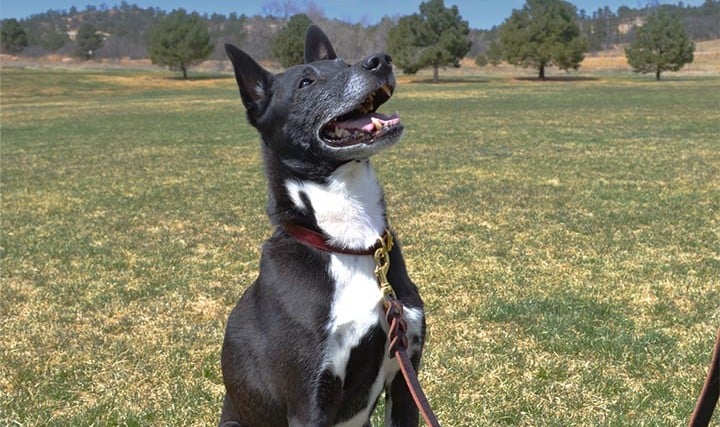
At J&J Dog Supplies, we carry dog collars for different dogs and routines. Leather, nylon, and waterproof Biothane each have advantages. The right choice comes down to your dog’s activities, the fit, and how much upkeep works for you.
Leather Collars: Long-Term Value With Regular Care
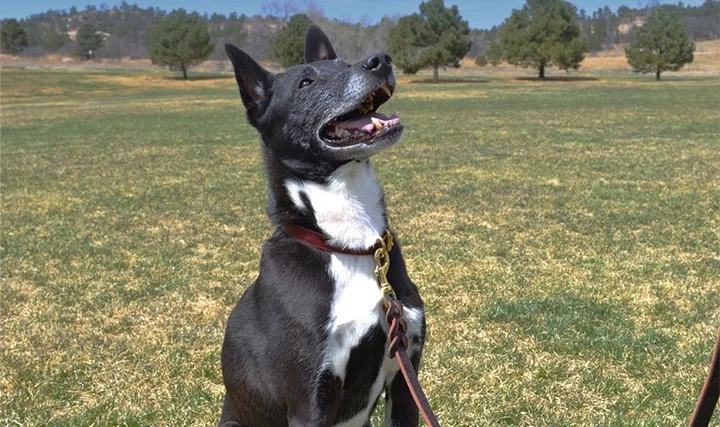
Leather is a classic choice for people who want a substantial, durable collar. Quality leather can soften with use and develop a comfortable, broken-in feel. With appropriate care, it can be a dependable option for everyday wear and training.
Leather dog collars are worth considering if you appreciate traditional materials and do not mind occasional maintenance.
When Leather Makes Sense
- Your dog spends most outings walking, training, or exploring in relatively dry conditions.
- You prefer the look and feel of leather.
- You are willing to clean and condition the collar as recommended.
- You want durable everyday gear rather than the lowest upfront price.
What to Consider
Leather is not the easiest choice for frequent swimming or repeated soaking. Water exposure, followed by improper drying, can leave leather stiff or affect its condition.
Wipe away dirt, let wet leather dry naturally away from direct heat, and use a compatible conditioner according to the manufacturer’s instructions. Check around buckle holes, stitching, and attachment points for cracking or damage.
Leather can be a good long-term investment, but its lifespan depends on construction, use, and care. No collar lasts indefinitely.
Nylon Collars: Lightweight, Adjustable, and Practical
Nylon is a versatile option for everyday walks, training, travel, and growing dogs. Many nylon collars offer a broad adjustment range, making it easier to fine-tune the fit as a puppy grows or a dog’s size changes.
Our nylon dog collars offer a practical starting point for people who want straightforward, functional gear.
When Nylon Makes Sense
- You want a lightweight everyday collar.
- Your dog needs an adjustable fit.
- You are shopping with a limited budget.
- You want options in buckle styles, widths, colors, or identification features.
What to Consider
Woven nylon can hold moisture, dirt, and odors, so it needs regular washing and thorough drying. A collar that looks clean on the outside may still have grime around the buckle or against your dog’s neck.
Follow the product’s cleaning directions, and inspect the edges and stitching for fraying. If your dog frequently gets wet, keeping a clean, dry spare makes it easier to avoid putting a damp collar straight back on.
Nylon can be durable without being bulky, but construction matters. Compare the webbing, stitching, and hardware rather than judging strength by appearance alone.
Waterproof Biothane Collars: Easy Cleanup for Wet and Muddy Dogs
If your dog regularly finds puddles, swims, or comes home wearing half the trail, waterproof gear can simplify the routine.
Biothane is coated webbing, not leather. Its smooth, waterproof surface helps keep water and dirt from soaking into the strap, making it easier to rinse or wipe clean after an outing.
Our Biothane dog collars are practical options for wet-weather walks, muddy training fields, lake days, and everyday use.
When Biothane Makes Sense
- Your dog swims or spends time around water.
- Your usual routes include mud, wet grass, or snow.
- You want a collar that is quick to clean.
- You prefer a low-maintenance alternative to leather.
What to Consider
Waterproof material does not make the entire collar maintenance-free. Buckles, rings, fasteners, and ID tags still need attention. Rinse away grit and residue, dry the hardware, and inspect the coating for damage.
Flexibility and thickness vary between products, too. Choose a width and hardware size that suit your dog rather than assuming every waterproof collar will feel the same.
Compare the Materials at a Glance
|
Material |
Main Advantages |
Main Trade-Off |
A Good Match For |
|---|---|---|---|
|
Leather |
Durable, traditional feel, softens with use |
Needs more care around repeated moisture |
Everyday wear and training with regular maintenance |
|
Nylon |
Lightweight, often adjustable, generally budget-friendly |
Can retain moisture and need more thorough washing |
Daily walks, puppies, travel, and versatile use |
|
Biothane |
Waterproof strap, easy cleanup, low maintenance |
Hardware still needs care; feel varies by product |
Swimming, wet weather, mud, and frequent outdoor use |
The best value is not necessarily the least expensive collar. It is the one that suits your routine and stays in good condition with the care you can realistically provide.
Fit and Construction Matter More Than Material Alone
A well-made collar in the wrong size is still the wrong collar. Start with an accurate neck measurement and the specific product’s size chart. Do not rely on breed examples or assume that “medium” means the same thing across different styles.
When checking a collar, consider:
- Fit: It should sit securely without squeezing, rubbing, or slipping over the dog’s head.
- Width: Choose a width that suits the dog’s neck length and build.
- Hardware weight: Oversized buckles and rings can be cumbersome on a small dog.
- Closure: Make sure the buckle or fastening mechanism works correctly.
- Condition: Look for damaged stitching, stretched holes, cracked material, or unreliable hardware.
- Identification: Keep contact details current and make sure tags are securely attached.
Material is only one part of the decision. Strength depends on the complete collar, including its construction, hardware, condition, and intended use.
A different material will not teach loose-leash walking, either. If your dog pulls, pair appropriate equipment with training rather than expecting a collar upgrade to solve the behavior.
You May Want More Than One Collar
One collar does not have to handle every outing.
A dog might wear leather for everyday walks, switch to Biothane for swimming, and have an adjustable nylon collar as a spare. That does not mean every dog needs a collection. It simply means there is value in matching the equipment to the conditions.
If the collar you own fits well, stays clean, and remains in good condition, there is no need to replace it just to try another material. Upgrade when it solves a problem you actually encounter.
Choose for Your Dog’s Real Routine
Start with the way your dog spends most days.
Choose leather if you value its feel and are comfortable with regular care. Choose nylon if you want a lightweight, adjustable everyday option. Choose Biothane if water, mud, and quick cleanup are part of your routine.
Then check the fit, hardware, and construction. The right collar should be comfortable for your dog and practical for you, whether the day calls for a neighborhood walk or a muddy afternoon outside.
Explore our leather collars, nylon collars, and Biothane collars to find the right match.