All About Obedience: Everyday Skills and Competitive Sport
Sep 18th 2026
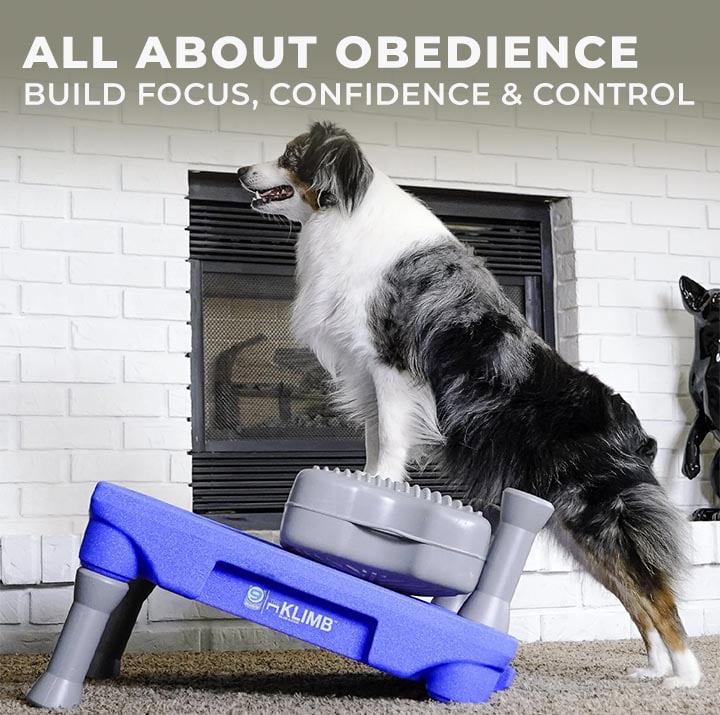
When people talk about dog obedience, they may be talking about two related but different things. Everyday obedience helps dogs move safely and confidently through real life. Obedience competition is a formal dog sport built around precision, teamwork, and trained exercises in the ring. Both start with the same foundation: clear communication between a dog and their person. Explore our full collection of Dog Obedience Training Equipment for gear that supports training at every level.
Everyday Obedience: Skills for Real Life
Everyday obedience is not about expecting a dog to perform perfectly at all times. It is about teaching practical skills that make life together easier, safer, and more enjoyable.
A dog with a good obedience foundation can respond to familiar cues, stay connected to their person, and handle normal distractions with more confidence. Those skills matter on neighborhood walks, in busy parking lots, during travel, at dog-friendly events, and out on the trail.
Everyday obedience often includes skills such as:
- Coming when called
- Walking with reasonable leash control
- Waiting at doors, curbs, or vehicle doors
- Sitting, lying down, and standing on cue
- Staying in position when asked
- Settling on a bed, mat, or designated place
- Leaving something alone when needed
- Responding to a clear release cue
- Checking in with their person around distractions
These behaviors do not need to be formal or competition-ready to be useful. The goal is a dog that understands what is being asked, feels confident doing it, and can work with their person in the environments they share.
Obedience Competition: A Sport Built on Precision
Obedience competition, often written with a capital “O,” takes familiar training skills and turns them into a structured sport. Teams perform specific exercises in a formal ring, where judges evaluate accuracy, control, teamwork, and the dog’s willingness to work.
Depending on the class level and venue, competitive Obedience may include:
- Heel patterns
- Figure eights
- Recalls
- Sit, down, and stand exercises
- Group stays
- Retrieves
- Jumps
- Signals
- Directed exercises
At more advanced levels, dogs may be asked to retrieve a dumbbell over a high jump, complete a broad jump, respond to hand signals, or perform more complex directed exercises.
The sport can look very precise from the outside, but the best teams still look connected. A good Obedience dog is not simply following commands. They are working in partnership with their person, staying engaged, and completing trained exercises with confidence.
Where Everyday Skills and Competition Meet
Everyday obedience and competitive Obedience are not separate worlds. Everyday skills often become the building blocks for more formal work.
A reliable recall becomes the foundation for a competition recall. A dog that enjoys moving with their person can begin to develop focused heelwork. A clear sit, down, stand, stay, and release cue all become more valuable as training becomes more detailed.
The difference is that competition adds more precision and structure. Teams work toward:
- More accurate positions
- Longer duration
- Greater distance
- Higher levels of distraction
- Formal patterns and exercises
- Clearer rules and scoring standards
A dog does not need to compete to benefit from strong obedience skills. At the same time, a competition dog still needs to enjoy regular walks, downtime, play, and the freedom to simply be a dog.
Equipment Supports the Training
Gear does not create obedience. Clear communication, consistent practice, and rewards that matter to the dog are what build the skill.
Still, the right equipment can make training easier to organize and help teams prepare for their specific goals.
Dog dumbbells are useful for teams developing retrieve work. The right size and style help dogs learn to pick up, carry, and deliver an object with confidence.
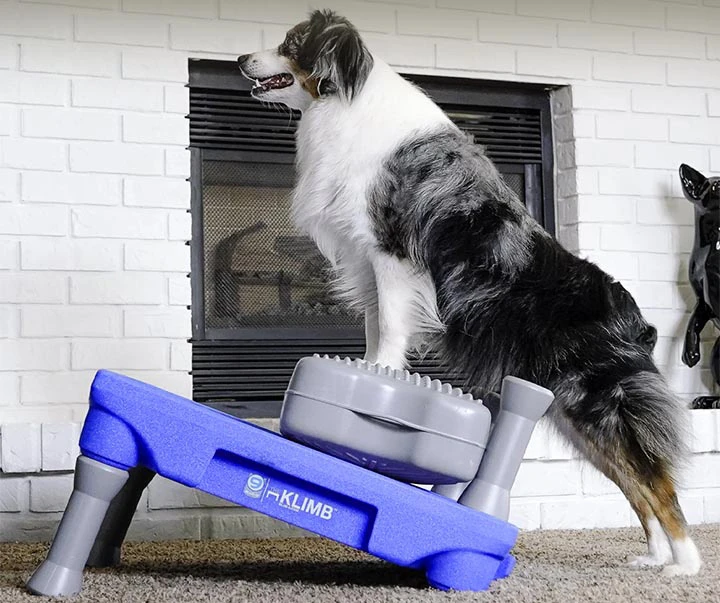
Dog pause stations can support place training, position work, impulse control, and a dog’s ability to move away from their person and hold a spot.
Dog wobble boards can help develop body awareness and confidence when introduced gradually and used safely.
Dog obedience training accessories can help keep practice sessions more consistent and organized, whether you are training in the backyard, at a club, or preparing for a trial.
Most beginners do not need every piece of equipment at once. Start with the skills your dog needs now, then add tools as your training goals become clearer.
Who Obedience Is For
Obedience training is for more than competition teams. It benefits nearly every dog and every person who shares life with one.
It can be valuable for:
- New puppy owners
- Active pet dog households
- Dogs learning to travel and settle in new places
- Dogs preparing for dog-friendly events
- Dog sport newcomers
- Experienced competition teams
- Working and service dog teams
- Dogs that need more confidence and structure in daily life
Not every dog or person will enjoy competitive Obedience, and that is completely fine. The sport is best suited to teams that enjoy detailed training, steady progress, and working toward specific goals. Everyday obedience, though, gives every dog a stronger foundation for the life they already live.
Start With the Relationship
The strongest obedience work is built on trust, clarity, and rewards that matter to the individual dog. Some dogs work hardest for food. Others come alive for tug, a ball, fetch, praise, or the chance to move.
The details can come later. Before working toward precise heel position, formal retrieves, or long stays, dogs need to understand that training is clear, worthwhile, and enjoyable.
Short, successful sessions go a long way. Build one skill at a time, reward effort, and avoid asking for more than the dog understands. Whether your goal is everyday reliability or a future trial ring, the relationship comes first.
Better Communication at Every Level
Everyday obedience makes life easier, safer, and more enjoyable. It gives dogs structure without taking away their personality, and it gives people practical ways to communicate with the dogs beside them.
Obedience competition gives interested teams a sport where that communication can be tested, developed, and celebrated. The exercises may become more precise, but the foundation stays the same.
Whether the goal is a better walk, a stronger recall, a confident retrieve, or a trial ribbon, it begins with clear communication and a dog who enjoys working with their person.