Fall Paw and Coat Care for Active Dogs
Sep 23rd 2026
Fall is one of the best seasons to get outside with a dog. Cooler mornings, longer hikes, colorful trails, and fewer hot sidewalks make it easier to spend time moving together. But changing weather also brings wet grass, mud, rough terrain, falling leaves, early frost, and more debris underfoot.
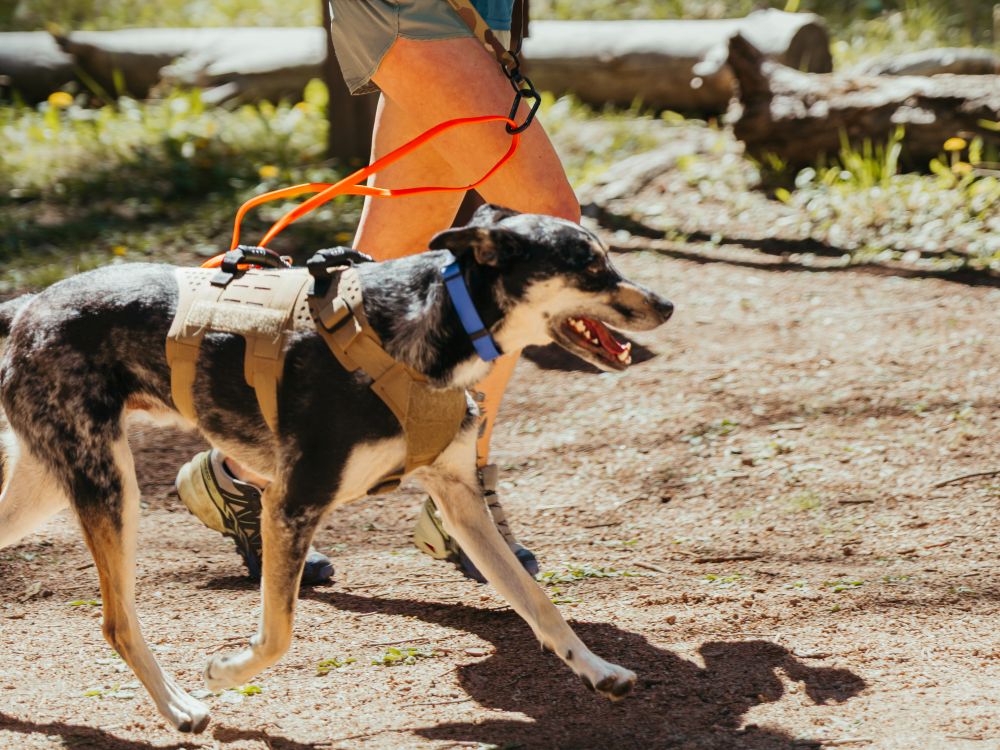
A little seasonal care helps keep dogs comfortable through it all. The goal is not to avoid the outdoors. It is to protect paws before the walk, clean up after, and keep coats in good shape as weather conditions change.
Why Paws Need More Attention in Fall
Paw pads work hard year-round, but fall can introduce new challenges. Wet grass and mud soften paws. Rocky trails and hidden sticks can cause scrapes. Cooler pavement, frost, and early ice can be uncomfortable for sensitive dogs. Leaf piles can also hide burrs, thorns, sharp debris, and other things that do not belong between your dog’s toes.
After walks, hikes, or outdoor play, take a few minutes to check your dog’s feet.
Look for:
- Dirt, mud, pebbles, or burrs between the toes
- Cuts, cracks, redness, or swelling on the pads
- Broken or overgrown nails
- Tender spots or signs of pain
- Excessive licking or chewing at one paw
- Limping or reluctance to put weight on a foot
Regular checks make it easier to catch small problems before they become bigger ones.
Clean Paws Before the Mud Comes Inside
Cleaning paws after a fall walk is about more than protecting the floors. Mud, grit, lawn residue, and trail debris can stay trapped between toes and against paw pads. If left there, that buildup can cause irritation or make a dog more likely to lick and chew at their feet.
The Dexas MudBuster® Gentle Paw Washer is a simple tool for rinsing muddy paws after wet-weather walks, trail time, and outdoor adventures.
To use it, add clean water, gently place one paw inside, and move the paw washer carefully to loosen dirt. Dry the paw before moving on to the next one.
Some dogs need time to get comfortable with a new grooming tool. Keep the introduction short, use treats if helpful, and do not force the process. A calm routine makes paw care easier for everyone.
After rinsing, dry paws thoroughly, especially between the toes. Damp spaces can trap debris and leave dogs uncomfortable.
Condition and Protect Paw Pads
Paw care usually involves two different jobs: conditioning the pads and protecting them from the environment.
Conditioning products help support soft, healthy paw pads. Protective balms and waxes create a barrier against moisture, rough surfaces, cold ground, and outdoor irritants.
Musher’s Secret Dog Paw Wax is a useful option for conditioning and protecting paw pads before outdoor activity. It can be especially helpful for dogs walking on wet, rough, cold, or salted surfaces.
The Natural Dog Company PawTection Stick offers an easy, portable way to apply protection before walks, hikes, travel days, and outdoor events.
Paw wax or balm can be useful:
- Before walking on wet, rough, cold, or salted surfaces
- Before long hikes or trail days
- After cleaning and thoroughly drying paws
- During dry-weather periods when pads look rough or cracked
- When a dog needs extra protection from seasonal conditions
Paw balms and waxes support routine care, but they are not a substitute for veterinary treatment. Deep cracks, bleeding pads, swelling, persistent pain, or repeated licking should be evaluated by a veterinarian.
When Dog Boots Make Sense
Dog boots are not necessary for every walk, but they can be a smart addition when conditions call for more physical protection.
Boots may be helpful for:
- Long hikes over rocky or rough terrain
- Cold, wet, or icy ground
- Areas treated with salt or ice melt
- Dogs with sensitive or irritated paws
- Dogs recovering from a minor paw injury, with veterinary guidance
- Dogs that need more traction on certain surfaces
The Ruffwear Grip Trex™ Dog Boots are built for active dogs that need durable paw protection on more demanding terrain.
Fit matters. Boots that are too loose can twist, rub, or fall off. Boots that are too tight can restrict movement and create pressure points. Measure carefully, follow the size chart, and check your dog’s paws after use.
Help Your Dog Get Used to Boots
Most dogs do not understand boots immediately. A gradual introduction can make a big difference.
- Let your dog sniff and investigate the boots.
- Put one boot on briefly, then reward your dog.
- Build up to all four boots indoors.
- Let your dog walk a few steps on a safe indoor surface.
- Practice short outdoor walks before a big hike or long adventure.
- Check the fit and inspect paws after every use.
Some dogs will adjust quickly. Others need more time. Keep the process positive and do not wait until the first icy day to introduce new boots.
Add Liners for Comfort
For dogs wearing boots regularly, liners can add a soft layer between the paw and the boot. They can be useful during longer walks, hikes, wet outings, or repeated use.
Ruffwear Bark’n Boot Liners can help improve comfort and reduce rubbing when used with compatible boots.
Boot liners may help:
- Create a softer fit inside the boot
- Reduce friction during longer outings
- Manage moisture from wet weather
- Improve comfort for dogs that need more support from their footwear
Keep liners clean, dry, and correctly sized. Wet or dirty liners can create the same discomfort you are trying to prevent.
Keep Fall Coats Clean and Dry
Fall does not only affect paws. Wet grass, muddy trails, leaves, burrs, and cooler rain can make coat care more important too.
Dogs with long coats, feathering, curly hair, or thick undercoats can collect debris quickly. Burrs and leaves can get caught behind the ears, under collars and harnesses, around the legs, and between the toes.
After outdoor time, take a few minutes to check your dog’s coat.
- Brush out leaves, burrs, and tangles before they tighten.
- Dry wet dogs after rainy walks.
- Check under collars and harnesses for rubbing or trapped moisture.
- Pay attention to the belly, chest, legs, and tail, where mud often collects.
- Look for redness, irritation, or hot spots in areas that stay damp.
A clean, dry coat is more comfortable for your dog and easier for you to inspect.
Use Wipes for Quick Cleanup
Not every messy walk requires a full bath. For light mud, damp legs, trail dust, or post-adventure cleanup, grooming wipes can be a convenient part of a regular routine.
Natural Dog Company Grooming Wipes are useful for quick cleanup after walks, travel, outdoor events, and dog-friendly outings.
They can help with:
- Wiping mud from legs and paws
- Cleaning a dog’s underbelly after wet grass
- Freshening a coat between baths
- Removing light odors
- Cleaning up before getting back in the vehicle
- Managing small trail messes on the go
Wipes are a maintenance tool, not a replacement for proper bathing or veterinary care. If your dog has ongoing skin irritation, odor, discharge, or a painful area, it is time to contact your veterinarian.
Do a Fall Gear Check
Fall is also a good time to check the rest of your dog’s gear. Coats change, daylight gets shorter, and the conditions on your usual route may look different than they did in summer.
Take a few minutes to inspect:
- Collar and harness fit as your dog’s coat thickens
- Leashes and hardware for wear
- Boots before the first icy walk
- Paw wax or balm supply before colder weather arrives
- Nails, especially if your dog is spending less time on rough pavement
- Reflective gear and lights for darker mornings and evenings
- Towels, wipes, and cleanup tools in the car or entryway
Small seasonal adjustments can make regular walks easier and help keep your dog more comfortable.
Quick Fall Paw and Coat Care Checklist
|
Before Heading Out |
After the Walk |
Keep on Hand |
|---|---|---|
|
Check weather and terrain |
Inspect pads and between toes |
Paw wax or paw balm |
|
Apply balm or fit boots when needed |
Rinse mud and debris |
Paw washer |
|
Confirm boots fit securely |
Dry paws and coat thoroughly |
Grooming wipes |
|
Bring water for longer outings |
Brush out burrs and leaves |
Boots and liners |
|
Check collar or harness fit |
Watch for limping or licking |
Veterinary contact information |
Keep the Adventure Going
Fall weather does not need to slow down active dogs and their people. A few minutes of preparation and cleanup can help prevent minor discomfort from turning into a bigger problem.
Protect paws before the walk. Clean and inspect them afterward. Keep coats dry, brushed, and free from debris. Use boots when terrain or weather calls for extra protection.
Explore paw protection, boots, paw-cleaning tools, and grooming essentials at J&J Dog Supplies to keep your dog comfortable through every fall adventure.