How to Choose Toys Based on Your Dog’s Personality
Sep 16th 2026
The best dog toy is not always the newest one, the loudest one, or the one with the most features. It is the one your dog wants to use.
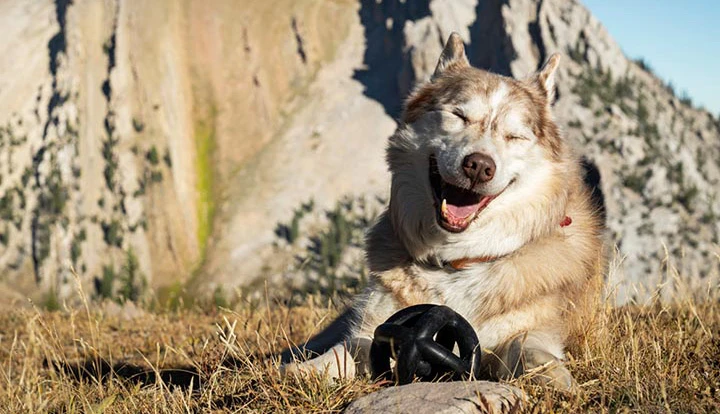
Some dogs want to chew for an hour. Others live for a ball thrown across the yard. Some light up for a fast game of tug, while others would rather lick, sniff, paw, and work their way through an interactive toy.
Choosing toys based on your dog’s personality helps you build a better toy rotation, create more useful enrichment, and spend less money on toys that sit untouched in the corner.
Start by Watching How Your Dog Plays
Before buying a new toy, pay attention to what your dog already does for fun. Their natural play style usually tells you what type of toy they will value most.
Ask yourself:
- Does your dog grab toys and settle down for a long chew?
- Do they chase anything that moves?
- Do they bring toys back and ask you to throw them again?
- Do they grab, pull, and want you to play with them?
- Do they nose, paw, lick, or work to get food out of things?
- Do they carry a soft toy from room to room?
- Do they shake toys, toss them around, or “baby” them gently?
Most dogs enjoy more than one type of play. Still, one style usually stands out. The goal is not to force your dog into a certain kind of game. It is to notice what already gets them excited and give them safe, productive ways to enjoy it.
For the Chewer: Choose Durable Chew Toys
Some dogs are happiest when they have a good chew to work on. They may settle into a corner with a toy after a walk, chew when they are excited, or look for something to gnaw on when they are bored.
For these dogs, chewing is not just entertainment. It can be a useful outlet during crate time, travel, quiet evenings, or downtime after an active day.
Dog chew toys are a good fit for dogs that prefer independent play and need an appropriate alternative to shoes, furniture, or whatever else they can get their teeth on.
When choosing a chew toy, consider your dog’s size, chewing style, and how quickly they destroy softer materials. A toy that works for a gentle chewer may not be right for a dog that treats every toy like a demolition project.
Always supervise your dog with a new chew toy. Replace toys that become cracked, shredded, small enough to swallow, or damaged enough to create loose pieces.
For the Chaser: Choose Fetch Toys
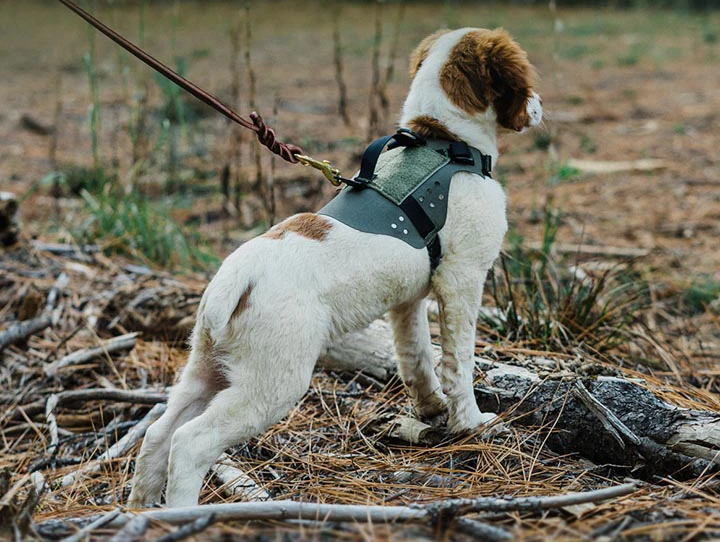
Some dogs are wired for movement. They notice every bouncing ball, flying leaf, tossed toy, and squirrel on the trail. For these dogs, fetch toys can turn that natural chase instinct into a productive game.
Dog fetch toys are a strong choice for dogs that enjoy chasing, retrieving, carrying, and bringing a toy back for more.
Fetch can be useful for:
- Burning off energy in a focused way
- Building recall
- Rewarding training sessions
- Practicing retrieves
- Adding fun to hikes, camping trips, and outdoor play
- Giving active dogs a chance to move with purpose
During training, keep retrieves short. One quick toss can be a powerful reward without turning the whole session into a never-ending game. For dogs that get overexcited easily, use fetch in short bursts, then give them a chance to settle before starting again.
For the Tugger: Choose Tug Toys
Tug-loving dogs often care more about interaction than independent play. They want you on the other end of the toy. They love the chase, the grab, the resistance, and the chance to win.
Tug toys can be a powerful tool for building engagement, especially with active dogs that are more motivated by movement than food.
Tug works well for:
- Training rewards
- Recall practice
- Obedience and sport foundations
- Building confidence
- Giving energetic dogs an appropriate outlet
- Creating a stronger play relationship between dog and person
A good tug game has clear rules. Use a cue to start the game, teach a reliable release cue, and keep the game short enough that your dog stays excited. Letting your dog win sometimes can build confidence and make the toy even more valuable.
For dogs that work hard for tug, keep their favorite training toy put away when you are not using it. A toy that only comes out for training can stay exciting much longer than one that lives on the floor every day.
For the Problem-Solver: Choose Interactive Toys
Some dogs do not care much about chasing a ball or pulling on a tug. They would rather use their nose, paws, and brain to figure something out.
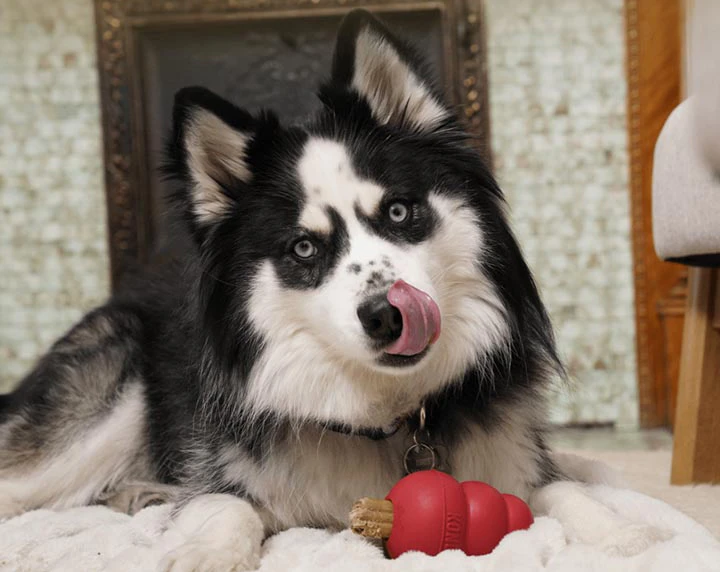
These dogs often enjoy food puzzles, treat-dispensing toys, fillable toys, and anything that makes them work for a reward. Interactive toys can turn a few minutes of downtime into a focused activity.
Interactive dog toys are especially useful for dogs that enjoy licking, sniffing, pawing, nudging, and problem-solving.
They can be a good choice for:
- Crate time
- Working from home
- Recovery after training
- Travel days
- Settling down after a walk
- Keeping dogs occupied while people are busy
Pair interactive toys with dog toy fillers to create more variety. You can use your dog’s regular kibble, training treats, soft foods, or dog-safe recipes depending on the toy.
For many dogs, working through a stuffed or food-filled toy provides a calmer kind of enrichment than fetch or tug. It gives them something to do without winding them up.
For the Soft-Hearted Dog: Choose Plush Toys
Some dogs have a favorite stuffed toy they carry everywhere. They may gently hold it, shake it, bring it to bed, or carry it around the house like a prized possession.
For these dogs, plush toys can be more than playthings. They can be comfort items, travel companions, or a softer kind of reward after a busy day.
Plush dog toys are a good fit for gentle dogs, comfort carriers, and dogs that enjoy lower-key play.
Plush toys are not the best match for every dog. If your dog removes stuffing, destroys squeakers, tears seams, or swallows fabric pieces, supervise closely and remove the toy once it becomes damaged.
A plush toy may not be the best reward for high-energy training, but it can still be valuable. If your dog lights up when they see a certain stuffed toy, that is useful information.
For the Dog Who Likes a Little of Everything
Many dogs do not fit neatly into one category. They may want a chew after dinner, a tug toy during training, a ball in the yard, and a stuffed toy at bedtime.
That is where toy rotation helps. Instead of leaving every toy available all the time, keep a small selection out and rotate toys every few days or once a week.
A well-rounded rotation might include:
- One chew toy for independent downtime
- One interactive or food-stuffable toy
- One fetch toy for outdoor play
- One tug toy reserved for training
- One plush toy for comfort, if appropriate for your dog
Toy rotation helps keep old toys interesting. A toy that has been stored away for a week can feel new again when it comes back out.
There is no need to create a massive toy collection. A few good toys that match your dog’s personality will usually get more use than a giant bin full of random options.
Get More From Favorite Toys
Sometimes a small accessory can make a favorite toy more useful. Dog toy accessories can help support training, outdoor play, storage, or retrieving games.
The right accessory is not a requirement. It is simply a way to get more value from the toys your dog already loves.
For example, an outdoor toy setup can make fetch easier on a trail or at the park. A toy storage option can help keep high-value training toys out of reach between sessions. The point is to make play easier to use in the places where your dog spends time.
Safety Comes First
No matter what kind of toy your dog prefers, safety should guide the choice.
Keep these basics in mind:
- Choose toys that match your dog’s size, age, mouth size, and chewing style.
- Supervise your dog with new toys.
- Inspect toys regularly for cracks, frayed rope, loose seams, broken squeakers, or missing pieces.
- Replace toys that become too damaged to use safely.
- Keep rope toys, plush toys, and toys with removable parts away from dogs that shred or swallow material.
- Choose durable toys for strong chewers, but remember that no toy is completely indestructible.
- Use toys as part of your dog’s routine, not as a substitute for exercise, training, or supervision.
A toy should be large enough that your dog cannot swallow it or get it lodged in their throat. When in doubt, size up and supervise.
Quick Toy Personality Guide
|
Your Dog’s Play Style |
What You May Notice |
Toy Types to Explore |
|---|---|---|
|
The Chewer |
Settles in and gnaws for long periods |
|
|
The Chaser |
Watches movement closely and loves pursuit |
|
|
The Tugger |
Grabs, pulls, and wants interactive play |
|
|
The Problem-Solver |
Noses, paws, licks, and works for rewards |
|
|
The Comfort Carrier |
Carries, shakes, or snuggles soft toys |
|
|
The All-Around Player |
Enjoys different play styles depending on the day |
A rotation of toys from several categories |
Let Your Dog Choose
The right toy is not about the trend, the color, or what another dog loves. It is about what gets your dog engaged in a safe, productive way.
Watch how your dog plays. Test a few options. Rotate the toys that earn the biggest response. Then build a simple collection that gives your dog something worthwhile to chew, chase, tug, solve, or carry.
Explore our chew toys, fetch toys, tug toys, interactive toys, and plush toys to find the toys that fit your dog’s personality best.