Agility Gear for Beginners on a Budget
Aug 19th 2026
Dog agility can look like a big investment when you see a full competition course. Jumps, tunnels, weave poles, contact obstacles, and timers can fill an entire training field. But beginners do not need all of that to start building confidence, teamwork, and useful skills at home.
A simple backyard agility course can begin with a few thoughtfully chosen pieces. Start small, keep it safe, and add equipment as your dog’s confidence and goals grow.
Start With the Foundation
The core elements of an agility course are jumps, tunnels, weave poles, contact obstacles, and pause tables. Competition courses may include a wide range of equipment, but the best home setup does not need to copy a full trial ring.
For most beginners, the most useful first purchases are:
- One or two low, adjustable jumps
- A tunnel
- A basic set of weave poles
- A platform or raised bed for pause work
- High-value rewards, such as treats or a favorite tug
These basics give you plenty to work with. They also help teach skills that matter in and out of the agility ring: focus, body awareness, recall, confidence, impulse control, and the ability to work with you around distractions.
Begin With Low, Safe Jumps
Jumps are one of the easiest ways to begin agility training at home. They are versatile, easy to set up, and useful for teaching your dog how to commit to an obstacle, follow a handling cue, and move forward with confidence.
For beginners, low height matters more than high height. Start with the bar on the ground or set very low. The goal is to teach the dog to move through the obstacle confidently, not to test how high they can jump.
A Better Sporting Dogs Displaceable Bar Jump is a smart starting point because the bar can move if a dog clips it. That gives dogs a more forgiving learning experience than a fixed obstacle. If you want to build a small sequence right away, the Displaceable Bar Jump Set gives you more options without overcomplicating the setup.
For small yards, travel, or training in different locations, the Ready Jump 48" Portable Kit is another practical option.
Keep the following in mind:
- Use lightweight, displaceable bars whenever possible.
- Avoid fixed bars that could catch a dog’s legs.
- Keep jump heights age-appropriate.
- Do not ask growing puppies to perform repetitive jumping.
- Place jumps on flat, stable ground with room for safe approaches and exits.
Add a Tunnel for Big Confidence
Tunnels are often a favorite obstacle for dogs because they encourage forward movement, speed, and commitment. They are also a great way to introduce a dog to agility without asking for impact-heavy work.
Start with a tunnel laid out straight and shortened if needed. Let your dog see light at the other end, then reward them for moving through. Once the dog is confident, you can gradually extend the tunnel and introduce a gentle curve.
The Better Sporting Dogs 10' Heavy Duty PVC Agility Tunnel is a solid option for building confidence at home. Make sure any tunnel is properly secured before training. Economy Sandbags can help keep equipment from shifting during use.
A moving tunnel can scare a beginner dog, so stable setup matters. Start simple, keep the sessions short, and let the dog build confidence at their own pace.
Teach Weave Skills Step by Step
Weave poles are one of the most technical agility obstacles, but that does not mean beginners need to avoid them. It just means the training should be broken into small, clear steps.
A basic set of 24" Spacing Economy Weave Poles is an affordable place to begin. Start by encouraging your dog to move through a wider, easier channel before progressing to tighter, more formal weaving.
At the beginning, focus on:
- Entering on the correct side
- Moving through the poles with confidence
- Following a reward or toy through the pattern
- Building understanding before adding speed
Do not rush to full competition-style weaves. Good weave pole work takes repetition, coordination, and clear training. A few successful repetitions are more valuable than pushing a dog through a long session.
Build Pause and Position Skills Without Buying a Table
A formal competition pause table is useful for advanced teams, but it is not essential for a beginner home course. The real skill is teaching a dog to move to a designated place, stop, and hold position until released.
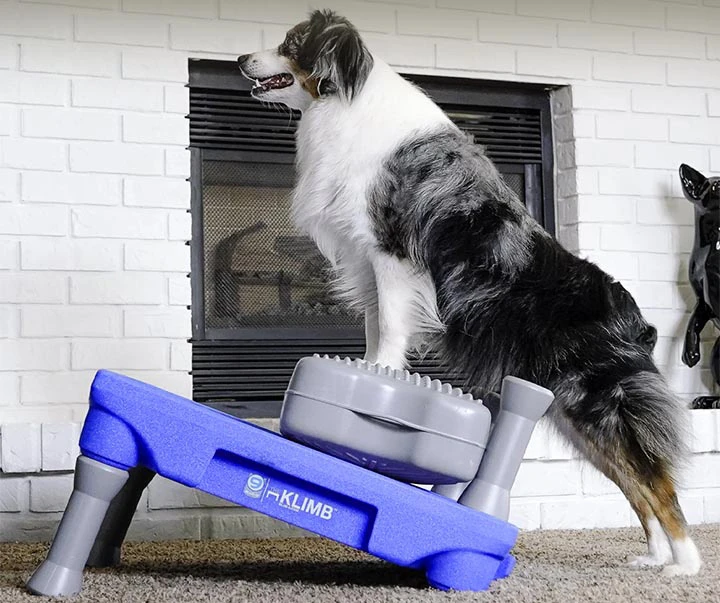
A KLIMB Jr. Platform or KLIMB Propel Air Platform can be used for place work, start-line practice, position changes, and body-awareness exercises. These skills carry over into agility while also helping with everyday training.
You can also use a stable raised bed, low platform, or non-slip mat you already own. The important part is clarity. Teach the dog where to go, reward the position, then build duration gradually.
Build Body Awareness Before Advanced Obstacles
Agility is not just about speed. Dogs need to understand where their feet are, how to shift their weight, and how to move confidently across different surfaces. Body-awareness work is especially helpful for young dogs, large dogs, and dogs that are still developing coordination.
Budget-friendly additions can include:
- FitPAWS Targets for teaching foot placement
- FitPAWS Balance Disc for controlled balance work
- Better Sporting Dogs Agility Ladder for footwork and coordination
- Low, stable platforms for stepping up, backing up, and controlled movement
These exercises can help build confidence before a dog ever sees a full A-frame, dog walk, or teeter.
Save Contact Obstacles for Later
Contact obstacles include the A-frame, dog walk, and see-saw. They are a major part of competition agility, but they require quality construction, stable footing, proper traction, and thoughtful training.
A competition-level Aluminum Competition Agility A-Frame, 12' Aluminum Competition Agility Dog Walk, or Agility Competition See-Saw can be a great investment for established teams with the space, experience, and goals to use them properly.
For a beginner home course, there is no need to rush into elevated equipment. Instead, teach the foundations first:
- Walking over low, stable surfaces
- Following a target
- Stopping on a platform
- Moving with confidence over safe textures
- Listening to cues around distractions
If your goal is eventually to compete, consider working with a local agility instructor or club before purchasing advanced contact equipment. Good early coaching can prevent safety issues and help you spend your equipment budget in the right places.
Use Toys and Rewards to Keep It Fun
Agility should feel like a game, especially in the beginning. Food rewards work well for many dogs, but toy-driven dogs may work harder for a chance to chase or tug.
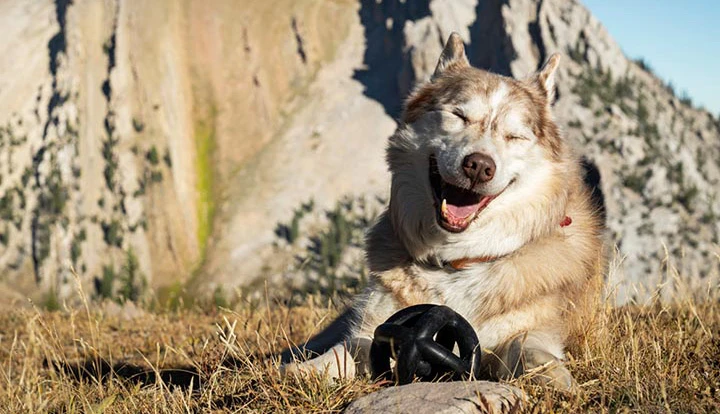
A Bungee Firehose Tug or Ring Bungee Tug can be a great reward after a short sequence. Keep the reward exciting, then put it away when the session ends. That helps preserve its value and keeps your dog eager for the next round.
For beginner training, think in short bursts:
- One jump, then reward
- Tunnel, then reward
- Two weave poles, then reward
- Platform, then reward
The goal is to create a dog that wants to come back for more.
A Simple Budget Setup
A strong beginner course can be built in phases.
Phase One: Learn the Basics
Start with:
- One displaceable bar jump
- A short tunnel
- A reward toy or treats
- Cones, markers, or household objects to practice handling around
This is enough to teach engagement, forward movement, and simple obstacle commitment.
Phase Two: Add New Skills
Once your dog is confident, add:
- A basic weave pole set
- A platform for pause work
- Sandbags or anchors for secure equipment setup
- A second jump for short two-obstacle sequences
This phase gives you more ways to practice handling, direction changes, and focus.
Phase Three: Build Toward Bigger Goals
If your dog loves the sport and you want to keep developing, consider:
- More adjustable jumps
- A tire jump with a safe, displaceable design
- More advanced weave pole systems
- Fitness equipment for conditioning
- Lessons, club practice, or access to full contact equipment
The right time to expand is when your dog is confident in the basics and you know what type of agility work you both enjoy most.
Keep Home Agility Safe
A home course should make training more accessible, not more risky. Before every session, check the training area and equipment.
- Train on level ground with secure footing.
- Remove sharp objects, holes, rocks, and loose debris.
- Keep obstacles away from fences, vehicles, pools, and other hazards.
- Make sure jumps, tunnels, and platforms are stable.
- Avoid repetitive high-impact work.
- Stop if your dog looks tired, sore, stressed, or unsure.
- Keep sessions short enough that your dog finishes wanting more.
If your dog is young, recovering from an injury, or has joint or mobility concerns, talk with your veterinarian before starting a jumping program.
Start Small, Build Skills, and Have Fun
You do not need a complete competition course to enjoy agility at home. A low jump, a tunnel, a few weave poles, and a clear reward system can create plenty of productive training.
Start with equipment that fits your space, your budget, and your dog’s current skill level. Build confidence before complexity, focus on clean repetitions over long sessions, and add gear only when it gives you a new way to train.
The best backyard agility course is not the biggest one. It is the one that gets you and your dog outside, working together, and ready for the next challenge.