Choosing Gear for Small Dogs: Built to Fit, Ready to Go
Aug 28th 2026
Small dogs may take up less space, but they still deserve gear that fits their bodies, supports their movement, and holds up to real life. Whether your dog joins you on neighborhood walks, road trips, brewery patios, hikes, training classes, or weekend camping trips, the right equipment makes every outing easier.
Choosing gear for a small dog is not about finding the smallest version of a large-dog product. It is about choosing lightweight, secure, comfortable gear that works with your dog’s build and activity level.
Start With Measurements, Not Breed Labels
“Small” can mean a lot of things. A Chihuahua, Dachshund, French Bulldog, Miniature Pinscher, and Mini Aussie may all fall into small or medium gear ranges, but they have very different necks, chests, shoulders, and body lengths.
Before buying a collar or harness, measure your dog’s neck and chest girth, then compare those numbers to the product’s size chart. When choosing a harness, pay attention to torso length, too.
A properly fitted harness should:
- Sit securely without rotating or sliding to one side
- Stay clear of the dog’s front legs and shoulder joints
- Allow a natural stride
- Avoid rubbing behind the front legs
- Feel secure without squeezing the chest or restricting breathing
- Use hardware that is appropriately sized for the dog
It is also important to recheck fit as your dog grows, changes weight, develops muscle, or grows in a seasonal coat. Puppies especially can outgrow gear quickly.
Choose a Harness That Fits Your Dog’s Shape
A harness is often the most important piece of walking gear for a small dog. The right one gives you control while spreading pressure across the body instead of concentrating it at the neck.
For Shorter-Torso Dogs and Puppies
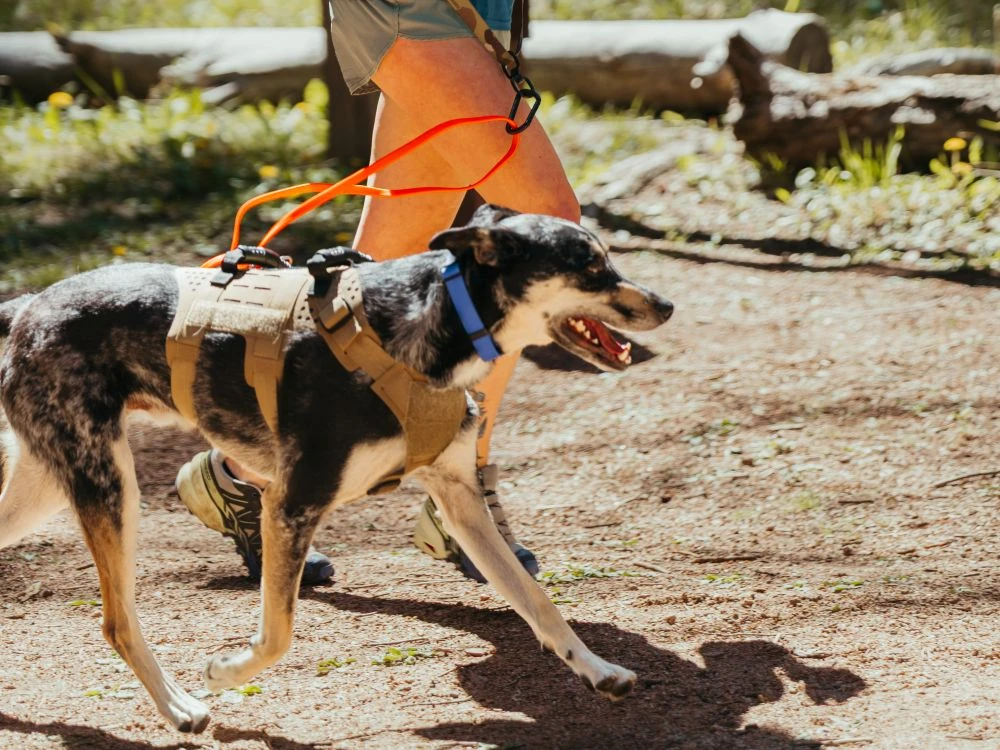
Dogs with short backs or compact builds often do best in a harness that does not extend too far down the body. The Quandary Harness by Peak by Ray Allen is designed with a single-strap layout that works especially well for dogs and puppies with shorter torsos.
It is a good option for everyday walks, training outings, travel, and casual adventures. The lightweight design gives small dogs a secure setup without adding unnecessary bulk.
For Longer-Torso Dogs
Dogs with longer backs, including some Dachshund-type builds and longer-bodied mixed breeds, may benefit from more coverage and stability through the torso. The Pikes Harness is designed for dogs that need a different fit than the more compact Quandary style.
The right choice comes down to how the harness sits on your dog. If it shifts, rubs, crowds the front legs, or rides too far forward, it is not the right fit, even if the size chart says it should work.
Keep Collars Lightweight and Functional
A collar should be comfortable enough for daily wear, strong enough for regular use, and lightweight enough that it does not overwhelm a small dog’s neck. It should also carry current identification at all times.
The Ute Collar by Peak by Ray Allen is a lightweight nylon collar available in small sizing. It works well for dogs that need an everyday collar with a clean, functional design.
For most small dogs, the collar and harness work as a team:
- Use the collar for ID tags and daily wear.
- Use the harness as the primary connection point for walks and active outings when appropriate.
- Check both pieces of gear regularly for wear, damaged stitching, loose hardware, or poor fit.
Match the Leash to Your Dog
A leash that feels great with a 70-pound dog can feel oversized and awkward on a 12-pound dog. Small dogs need reliable hardware and a comfortable leash, but they do not need unnecessary weight pulling at their collar or harness.
Leather leashes offer a classic feel, dependable control, and a comfortable grip that many dog owners and trainers prefer. Leather can be a strong everyday choice for dogs who walk, train, and travel frequently.
Biothane leashes are a practical option for wet weather, muddy trails, lake days, and dogs that find every puddle on the route. They are easy to wipe clean and do not stay waterlogged after a rainy walk.
When choosing any leash for a small dog, look for:
- A clip that is secure but not oversized
- A length that suits the environment
- A handle that is comfortable for you
- A material that works for how often and where you walk
- A connection point that does not add unnecessary weight or bounce
Get Outside With a Hands-Free Setup
Small dogs can be excellent companions for hikes, trail walks, travel days, and active outings. A hands-free setup can make those days easier by keeping treats, water, waste bags, and small essentials within reach.
The Peak by Ray Allen Trail Belt gives you a way to carry the gear you need without filling your pockets or juggling a bag in one hand and a leash in the other.
Hands-free gear can be especially useful for:
- Hiking and walking on uneven terrain
- Carrying water and travel bowls
- Training during outings
- Managing a dog while loading gear or opening doors
- Keeping treats ready for rewarding calm behavior and recall
As with any leash setup, choose hands-free gear based on your dog’s behavior, size, and leash skills. A calm dog with basic leash manners is a better fit for hands-free walking than a dog that regularly lunges or pulls hard.
Make Water Breaks Easy
Small dogs can overheat and dehydrate quickly during warm-weather walks, outdoor events, travel, and trail days. Even a short outing can call for a water break, especially when temperatures rise.
The Collapsible Travel Cup clips easily onto a belt, leash, or bag, making it a simple option for walks and day trips.
For car rides, campsites, hotels, and longer outings, the Buddy Bowl offers a more stable watering option.
Always bring fresh water for your dog rather than counting on public bowls, streams, or shared water sources. Offer small drinks regularly, and plan extra breaks when the weather is hot or the activity level is higher than normal.
Pick Toys That Fit Their Mouth and Play Style
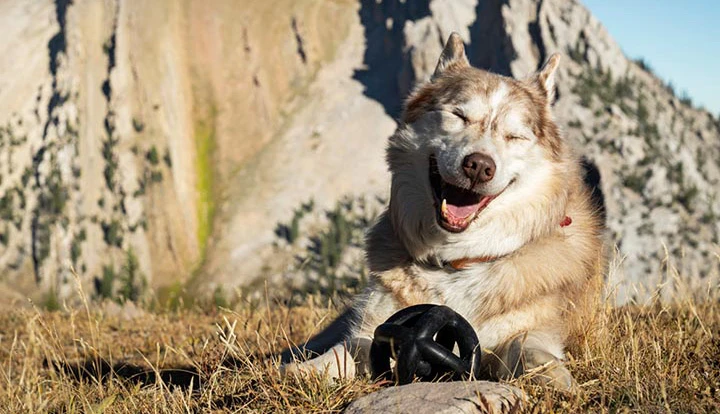
Small dogs still need productive ways to chew, lick, problem-solve, and burn off energy. The best toy is not always the smallest toy. It is the one that fits the dog’s mouth, chewing style, and level of experience.
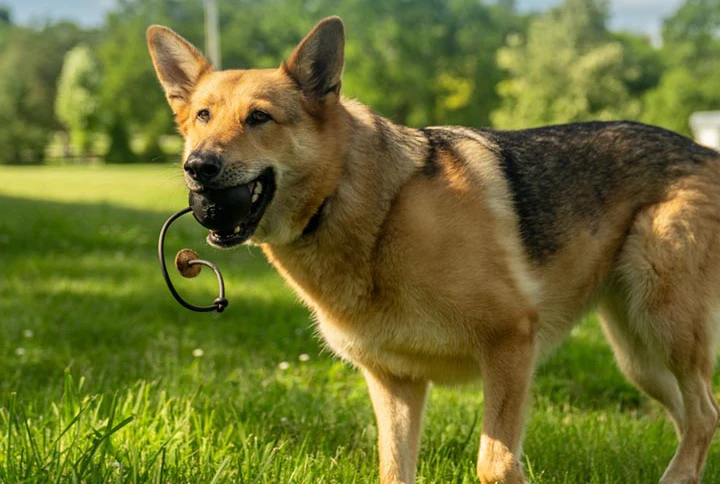
KONG™ Puppy toys are a useful choice for young dogs and smaller dogs that need a softer rubber option for chewing and enrichment. Fillable toys can help keep dogs occupied during crate time, travel, camping, or downtime after an active day.
A stuffed toy can also be a helpful tool for teaching a small dog to settle. Give it in a crate, on a bed, or at a restaurant patio so the dog learns that calm time has value too.
Give Your Dog a Place to Recover
Small dogs may be active, but they still need a comfortable place to rest. A familiar bed gives them a designated space at home and helps them settle more easily when traveling.
The Pendleton Vintage Camp Pet Kuddler creates a cozy, contained place for dogs that like to curl up and nest.
The Pendleton National Park Pet Napper is another comfortable option for dogs who like a flatter sleep space.
Bringing a familiar bed on a road trip, camping weekend, or overnight stay can help a dog relax in a new environment. It also gives them a clear place to go when it is time to rest.
Add Visibility for Safer Low-Light Walks
Small dogs can disappear quickly in tall grass, crowded campgrounds, dark parking lots, and early-morning or evening light. A compact light is an easy addition that can make them easier to see.
TAG-IT Dual Function Lights can attach to a collar or harness for added visibility during low-light outings.
Ruffwear The Beacon™ Dog Safety Light is another option for dogs that join you on evening walks, camping trips, and early starts.
Lights help people see where your dog is, but they do not replace a secure harness, a leash, or close supervision. Think of them as one more tool in a smart safety setup.
Quick Gear Checklist for Small Dogs
|
Gear Category |
What to Look For |
Options to Explore |
|---|---|---|
|
Harness |
Secure fit, low bulk, comfortable movement |
|
|
Collar |
Lightweight materials, dependable fit, room for ID |
|
|
Leash |
Properly sized hardware, comfortable control, durable material |
|
|
Trail Gear |
Hands-free storage for active outings |
|
|
Water |
Portable and easy to pack |
|
|
Enrichment |
Size-appropriate chewing and stuffing options |
|
|
Rest |
A familiar, comfortable recovery space |
|
|
Visibility |
Reliable light for low-light outings |
Small Dog, Full-Size Adventure
Small dogs do not need to sit out the adventure. They need gear that fits their frame, matches their activity level, and gives them the same chance to move comfortably and safely alongside their people.
Start with accurate measurements. Choose lightweight gear that does not restrict movement. Match the leash, harness, and accessories to the activity ahead. Then get outside and build the kind of routine that keeps your dog engaged, confident, and ready for whatever comes next.