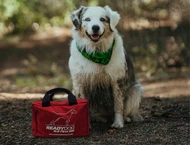
First Aid for Active Dogs: What Every Dog Owner Should Pack
Aug 13th 2026
Active dogs get into more than backyard grass. They attend competitions, run trails, work fields, ride in vehicles, train at clubs, splash through water, and cover ground in places where a minor problem can turn into a long way back to the car.
A dog first aid kit is not a replacement for veterinary care. It is a practical way to respond to small issues, stabilize a dog when something more serious happens, and buy time while getting professional help. The right kit should match where you and your dog go, stay easy to reach, and be stocked before you need it.
Build a Kit for the Way You Travel
Not every dog needs the same first aid setup. A quick neighborhood walk calls for less gear than a weekend camping trip, a trial weekend, or a long day in the field.
Most active dog owners benefit from keeping supplies in three places:
- A basic kit in the car for everyday travel
- A compact kit in a backpack, trail belt, or training bag
- A more complete kit for camping, events, long-distance travel, or working-dog activities
The best first aid kit is the one that is actually with you when something happens.
Start With Wound Care Basics
Minor cuts, scrapes, torn pads, and abrasions are common when dogs spend time outdoors. A good kit should include supplies that help protect a wound until you can properly assess it or contact a veterinarian.
Consider packing:
- Sterile gauze pads and gauze rolls
- Non-stick wound dressings
- Self-adhering bandage wrap
- Medical tape
- Pet-safe wound rinse or sterile saline
- Disposable gloves
- Blunt-tip scissors
- Tweezers
- A towel or clean cloth
For quick support in the field, QuickDerm Wound Care is a smart addition to a canine first aid setup.
Basic first aid can help with small issues, but some injuries require immediate professional care. Deep cuts, puncture wounds, bites, eye injuries, uncontrolled bleeding, and wounds that expose tissue should be treated as veterinary emergencies.
Pack a Tick Tool for Every Outdoor Trip
Ticks are part of life for dogs that hike, camp, train outdoors, or spend time in tall grass. A dedicated removal tool takes up almost no space and is worth keeping in every trail bag and vehicle kit.
The Tick Key is a compact tool designed for fast, safe tick removal. After an outdoor day, check your dog carefully, especially around the ears, neck, chest, belly, armpits, groin, between the toes, and near the tail.
If possible, save a removed tick in a sealed bag or container in case your veterinarian recommends identification later.
Be Ready to Stabilize an Injury
Dogs do not always show pain clearly, especially when they are excited, driven, or focused on the activity. A sudden limp, inability to bear weight, swelling, or an awkward limb position should be taken seriously.
The SAM® Splint - Veterinary is a flexible support tool that can be shaped to provide temporary stabilization for a suspected limb injury. It can be a valuable item for remote hikes, camping trips, field work, and situations where getting to the vehicle takes time.
A splint is only a temporary measure. An improperly applied splint can create additional problems, so avoid trying to treat a fracture yourself unless you have the knowledge to do so. Keep the dog as still and calm as possible, then contact a veterinarian or emergency clinic for direction.
Carry the Essentials Beyond Bandages
A capable dog first aid setup is about more than medical supplies. A few practical items can make a stressful situation safer and easier to manage.
Water and a Collapsible Bowl
Dogs need fresh water during any active day, especially in heat, dry conditions, or long travel stretches. Keep extra water in the vehicle and pack a Collapsible Dog Bowl for trail breaks, training days, and unexpected delays.
A Backup Slip Lead
A backup British Style Slip Leash is one of the simplest emergency tools to keep on hand. Collars can break, dogs can slip out of gear, and loose dogs can appear when you least expect them. A compact slip lead gives you a fast way to gain control when needed.
A Muzzle for Safe Handling
Pain, fear, and injury can change a dog’s behavior in seconds. Even a friendly, well-trained dog may react defensively when frightened or hurt. A properly fitted muzzle can help keep everyone safer during treatment or transport.
The RAM Adjustable Mesh Muzzle is a practical option to keep in a first aid kit or vehicle. Dogs should be introduced to a muzzle calmly before an emergency, not for the first time when they are stressed.
Cooling and Visibility Gear
Hot weather creates real risks for active dogs. The Swamp Cooler Zip Vest can be a useful part of a warm-weather setup for hiking, camping, and outdoor events.
For early mornings, late-night returns, or low-light trail conditions, TAG-IT Dual Function Lights help make your dog easier to see. A reliable collar with current ID should also be part of every outing.
Choose the Kit That Fits Your Routine
A first aid kit should be organized for the way you move with your dog. Here are a few options for different levels of preparedness.
Keep One in the Car
The Headrest Individual First Aid Kit gives dog owners a designated, accessible place to keep emergency supplies in the vehicle. A mounted kit is easier to reach than one buried under crates, bags, and outdoor gear.
This is a strong option for daily drivers, dog sport vehicles, and anyone who regularly transports dogs to training, hikes, vet appointments, or events.
Carry One for Training and Day Trips
For day hikes, training sessions, and travel, the 5.11 Kit Bag with K-9 First Aid Kit provides a compact grab-and-go option. It makes sense for a training bag, daypack, crate setup, or field vehicle.
When the kit needs to move with you instead of staying in the car, the 5.11 Slingback Pack with Immediate K-9 Care Kit offers a hands-free carry option for active outings.
Build a More Complete Field Setup
For longer trips, remote outings, working dogs, or people who want a more complete system, the Complete First Aid Kit provides a broader foundation for canine care.
The Professional Trauma Kit is built for situations where a more comprehensive emergency setup is appropriate. These kits are valuable tools, but they do not replace veterinary care or professional first aid training.
Know When to Call the Vet
First aid is about stabilizing and responding, not guessing at treatment. Contact a veterinarian or emergency clinic right away if your dog has:
- Trouble breathing
- Signs of heatstroke, including heavy panting, weakness, collapse, or confusion
- Uncontrolled bleeding
- A suspected fracture, visible deformity, or inability to stand
- A deep wound, puncture, bite, or eye injury
- Repeated vomiting, bloating, or severe diarrhea
- Suspected toxin exposure
- A seizure, collapse, or loss of consciousness
- Severe pain or a major change in behavior after an injury
Before a major outing, save your regular veterinarian’s number and identify the closest emergency clinic to your destination. It is a small step that can save valuable time.
Keep Your Kit Ready
A first aid kit only works when it is stocked, organized, and easy to reach. Check it before camping trips, travel weekends, and big training days. Replace used supplies, discard expired items, and make sure medications are properly labeled and current.
Preparedness is not about expecting something to go wrong. It is about knowing you can respond when it does. Build a kit that fits your dog’s lifestyle, keep it close, and get back to doing more together.