How to Choose the Right Leash for Every Adventure
Jul 31st 2026
Not every leash is built for the same job. A leash that works well for a neighborhood walk may fall short on a muddy trail, in a crowded event space, or during recall practice in the field. The right setup depends on where you are going, how much control you need, and how your dog moves through the world.
Start With the Job, Not the Material
A lot of people shop for leashes by habit. They buy what they have always used and hope it works everywhere. In reality, leash choice should start with the job in front of you.
If the goal is everyday walking, comfort and reliability matter most. If the goal is running, hiking, or hands-free movement, the setup changes. If the goal is close control in tight spaces, shorter tools make more sense. And if the goal is training or giving a dog more room to move safely, longer options are the better fit.
For Everyday Walks: Nylon and Leather
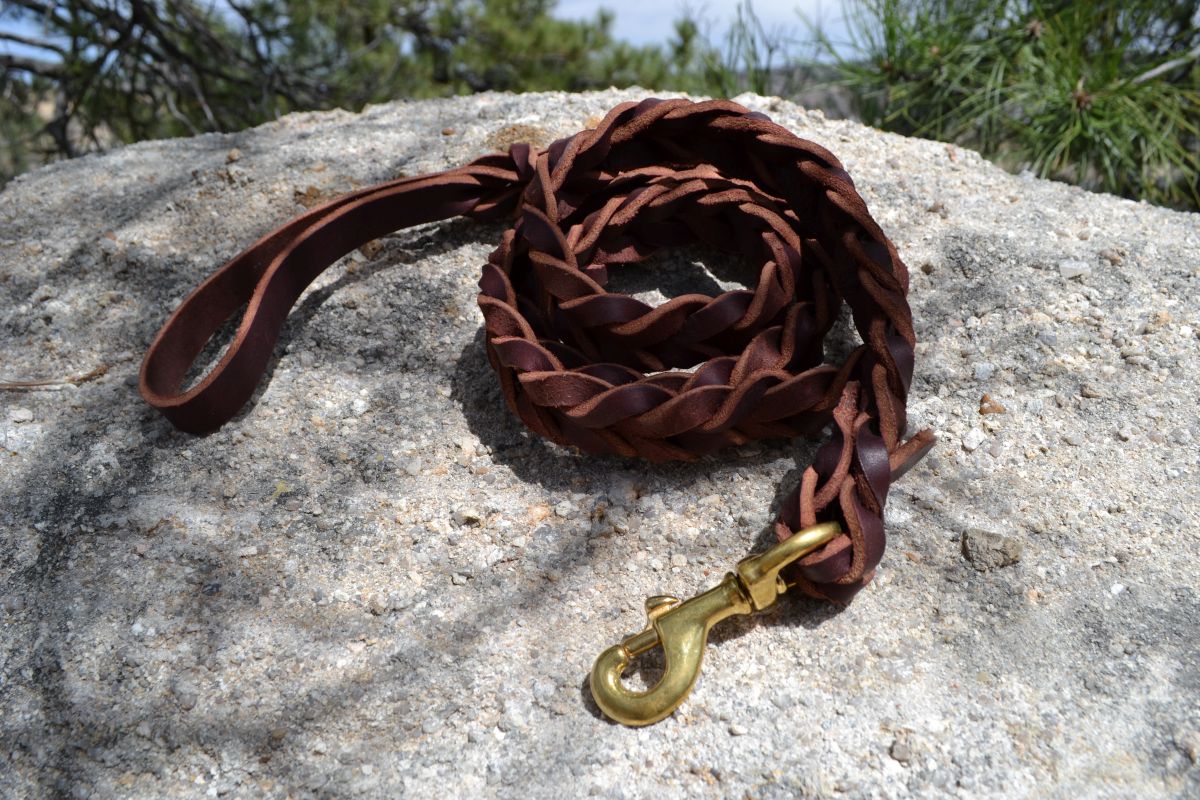
For daily use, two of the most practical choices are nylon leashes and leather leashes. Both can work well for neighborhood walks, basic obedience, and general day-to-day handling.
Nylon is a solid all-around option. It is lightweight, easy to use, and comes in a wide range of lengths and styles. Leather brings a more classic feel and tends to break in nicely over time, which is why a lot of trainers and experienced dog owners keep coming back to it. For many dogs, a dependable everyday leash is still the foundation of the whole setup.
For Mud, Water, and Mess: Biothane
Some adventures are harder on gear than others. If your dog spends time in wet grass, muddy fields, snowy parking lots, or around the water, Biothane leashes are worth a close look.
Biothane offers the easy cleanup people love without giving up control. It wipes down fast, does not stay waterlogged like some other materials, and holds up well when the weather turns sloppy. For people who train outdoors or spend a lot of time near the lake, it is one of the easiest materials to live with.
For Running and Hands-Free Movement: Waist Leads and Belts
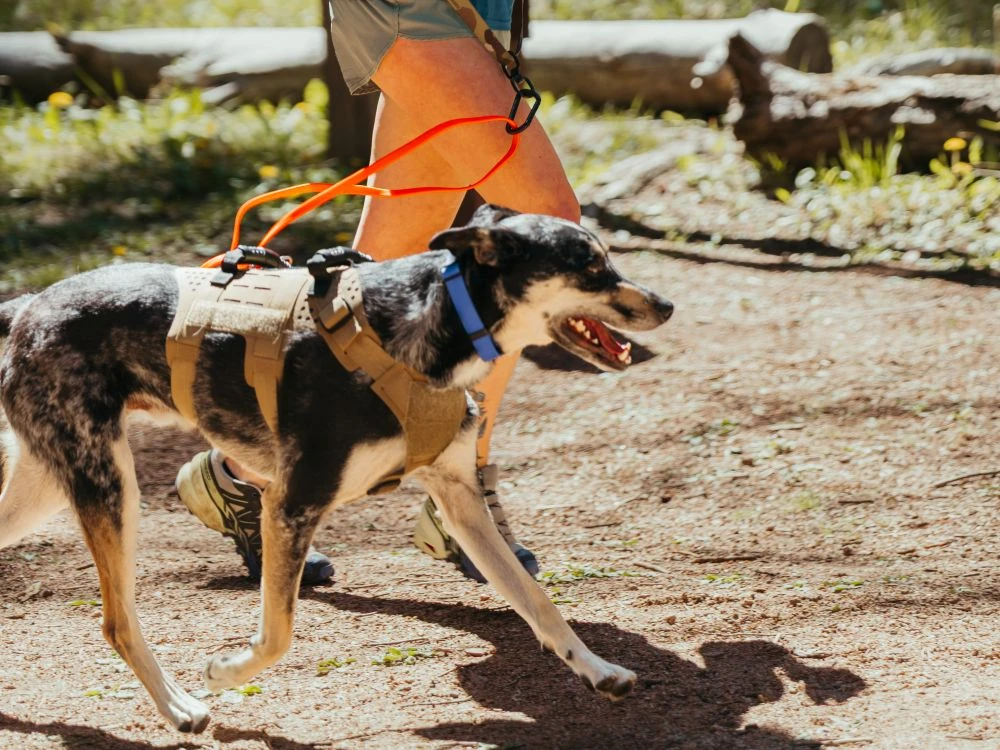
When the plan involves movement, standard leashes are not always the best tool. Waist leads are useful for people who want to move hands-free while still staying connected to their dogs. They make sense for walking, light hiking, and other active outings where carrying gear or freeing up your hands matters.
For more specialized movement, Peak by Ray Allen adds another layer to the system. The Run Belt is built for hands-free runs with minimal bounce and room for small essentials, while the Trail Belt is better suited to bigger outings where carrying more gear makes sense. Pair either setup with the Trail Leash when you want a trail-ready option designed for active days outside.
For More Freedom: Long Lines
There are times when a dog needs more room than a standard leash allows, but still should not be off leash. That is where long lines come in.
Long lines are useful for recall practice, hiking breaks, decompression walks, and training in open areas. They let dogs move, sniff, and explore while keeping a physical connection in place. The key is using the right length for the space and handling the line with intention so it does not drag into hazards or tangle around people, brush, or legs.
For Tight Spaces: Traffic Leads and Tabs
Sometimes freedom is not the goal. Sometimes the job is simply keeping your dog close and under control. Traffic leads are ideal for crowded sidewalks, parking lots, busy event grounds, and any situation where your dog needs to stay right at your side.
Tabs take that idea even further. They are a great tool for quick handling, training transitions, and dogs that are working mostly off leash but still need a fast point of control. They are simple, compact, and especially useful for dogs that already have a good understanding of how to move with their person.
A Simple Way to Choose
If leash shopping starts to feel more complicated than it needs to be, this breakdown helps:
- Choose nylon for a versatile everyday option.
- Choose leather for a durable, classic leash that feels better with time.
- Choose Biothane for wet, muddy, or easy-clean environments.
- Choose a waist lead for hands-free movement.
- Choose a Run Belt or Trail Belt setup for more active outings.
- Choose a long line when training or giving safe freedom.
- Choose a traffic lead or tab when close control matters most.
Build a Leash Setup That Matches Real Life
The best leash is not the one that tries to do everything. It is the one that fits the dog, the environment, and the job. Most active dog owners end up needing more than one option, and that is not overkill. It is just practical.
A neighborhood walk, a crowded event, a trail run, and a recall session all ask for something different. When the leash matches the adventure, everything works better for both ends of the line.